
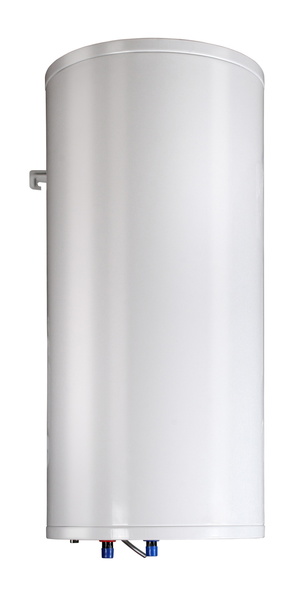
Although water heaters are one of the most important appliances in a home, most homeowners don’t give too much regular thought to their water heater. They skip over the maintenance that’s an important part of ensuring they have an uninterrupted supply of hot water and heating bills that remain under control.
One vital service that’s necessary for water heaters in Boynton Beach, FL is routine tank flushes. You’ll need to contact professionals for this service. Below, we’ll explain why it’s important not to overlook this job and why you need to have professionals handle it.
What Is a Water Heater Tank Flush?
A water heater tank flush is a maintenance procedure where all the water inside the tank is drained, and the tank is thoroughly cleaned to remove sediment and mineral buildup. Over time, minerals such as calcium and magnesium present in hard water settle at the bottom of the tank. This sediment accumulation can lead to a variety of problems. Flushing the tank ensures that it continues to operate efficiently and safely.
How Is a Tank Flush Beneficial?
There are several key benefits to scheduling regular water heater tank flushes:
- Improved energy efficiency: Sediment buildup in the tank acts as an insulator, making it harder for the water heater to heat the water. This causes the system to use more energy, leading to higher utility bills. Flushing the tank removes this buildup, allowing the water heater to operate at its peak efficiency.
- Extended lifespan of the water heater: Sediment can cause corrosion inside the tank, which shortens the lifespan of the unit. Regular tank flushes help prevent this, allowing your water heater to last longer and reducing the likelihood of premature replacement.
- Consistent hot water supply: A dirty tank can affect the amount of hot water the unit can produce. Flushing the tank helps maintain a steady supply of hot water for your home by ensuring that the water heater functions as it should. If you find yourself running out of hot water, water heater problems explained can help you understand what might be wrong.
- Reduced risk of breakdowns: Water heaters with significant sediment buildup are more likely to experience malfunctions or complete breakdowns. Regular maintenance, including tank flushes, reduces the risk of costly repairs or unexpected cold showers.
How Often Do I Need My Water Heater’s Tank Flushed?
The recommended frequency for a water heater tank flush varies depending on the hardness of your water and the type of water heater you have. In general, most homeowners should aim to have their water heater flushed once a year. However, if you live in an area with particularly hard water, you may need to schedule this service more frequently, perhaps every six months, as part of a broader plan for professional water heater services.
Can I Do the Job Myself?
While it may seem tempting to try to flush your water heater on your own, it’s a task best left to professionals. Draining the tank and ensuring that all the sediment is effectively removed requires the right tools, expertise, and attention to detail. Attempting a DIY water heater flush can lead to accidental damage, such as causing leaks or damaging components. Professionals can also inspect the water heater during the flush to identify any potential issues before they become major problems. If you experience water heater emergency help, a professional assessment is always your safest option.
When it comes to maintaining your water heater, trust the experts at General Plumbing and Air Conditioning. Our experienced team provides top-quality service to ensure your water heater runs efficiently and reliably year-round. Contact us today to schedule your water heater flush!
Frequently Asked Questions
Question: What is a water heater flush and why is it important?
Answer: A water heater flush is a maintenance service that removes sediment and mineral buildup from inside the tank. Over time, this buildup can reduce efficiency, increase energy costs, and strain internal components. Regular flushing helps the system run more efficiently and extends its lifespan.
Question: How often should a water heater be flushed?
Answer: Most water heaters should be flushed once a year. Homes with hard water may need more frequent flushing due to faster mineral buildup. Annual flushing helps prevent damage, improves heating performance, and reduces the risk of unexpected breakdowns.
Question: What happens if you do not flush your water heater?
Answer: Skipping regular flushing allows sediment to accumulate at the bottom of the tank. This buildup can cause rumbling noises, uneven water temperatures, reduced hot water supply, higher energy bills, and eventually tank corrosion or failure if left unaddressed.
Question: Can flushing a water heater improve energy efficiency?
Answer: Yes. Removing sediment allows the heating element or burner to work more effectively, so less energy is required to heat the water. This improved efficiency can lower utility bills and reduce wear on the water heater over time.
Question: Should a water heater flush be done by a professional?
Answer: While some homeowners attempt it themselves, professional flushing is recommended. A licensed plumber can safely drain the system, check for damage or worn components, and ensure the heater is properly restored, reducing the risk of leaks or accidental damage.
For Red Carpet Service Every Time, Contact General Plumbing and Air Conditioning in Lake Worth, FL.