
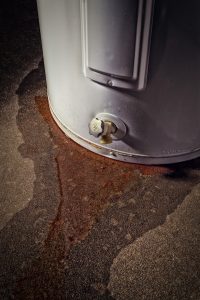
We’re experts when it comes to water heaters in Lake Worth, FL, so we’ve seen firsthand the issues that arise when water heaters start to fail. A malfunctioning water heater can disrupt your daily routine and lead to costly damage if not addressed promptly.
Whether you have a traditional gas water heater, an electric model, or a modern tankless water heater, it’s crucial to recognize the warning signs that indicate your system needs professional attention. Watch for these signs below to tell you when it’s time to reach out to our water heater professionals.
Water Heater Repair and Replacement in West Palm Beach: What Homeowners Should Know
Water heaters are an essential part of every home in West Palm Beach, FL, delivering the hot water you rely on for bathing, cooking, laundry, and more. Whether you’re starting your day with a warm shower or tackling a load of laundry, a dependable water heater ensures your daily routine runs smoothly. That’s why professional water heater installation, repair, and replacement services are crucial for homeowners who want to maintain comfort and efficiency in their homes. General Plumbing and Air Conditioning is a premier choice for hot water heater services in West Palm Beach, FL, offering expert plumbing services tailored to your unique needs.
Choosing the right type of water heater is key to meeting your unique requirements and budget. In West Palm Beach, homeowners can select from a variety of water heater brands, including trusted names like General Plumbing and Air Conditioning, each offering models designed for different levels of efficiency and performance. From traditional gas water heaters to more efficient electric and tankless models, the right water heater can help you save on energy costs while delivering reliable hot water whenever you need it. Key factors when choosing a water heater in West Palm Beach include capacity, energy efficiency, fuel type, upfront vs. long-term costs, space and installation process, and system type. With so many options available, it’s important to consider your household’s specific needs and consult with licensed plumbers to ensure you get the best fit for your home and location.
Types of Water Heaters and How They Differ
When it comes to choosing a water heater for your home, there are several options to consider, each with its own set of advantages. The most common type is the tank water heater, which stores a large volume of hot water in an insulated tank, ready for use whenever you need it. These systems are reliable and typically more affordable to purchase and install, making them a popular choice for many households.
Tankless water heaters, on the other hand, heat water on demand as it passes through the unit, providing endless hot water without the need for a storage tank. This design not only saves space but can also improve energy efficiency, as it eliminates the standby heat loss associated with traditional tanks. However, tankless models often come with a higher upfront cost and may require upgrades to your home’s gas or electrical systems. Proper maintenance and servicing of a tankless water heater ensures optimal performance and a longer lifespan.
Hybrid water heaters combine the best features of both tank and tankless systems, using a heat pump to move heat from the air or ground to heat the water, while also storing hot water in a tank for immediate use. This type of water heater can offer significant energy savings and is ideal for homeowners looking to maximize efficiency without sacrificing convenience.
Newer water heater models, including advanced tankless units, often feature design improvements such as smaller pilot lights and enhanced efficiency. These features may require careful inspection and it is important to consult the manufacturer’s manual for specific maintenance and operation instructions.
No matter which type you choose, understanding the differences between tank water heaters, tankless hot water heaters, and hybrid models can help you select the best system for your household’s hot water needs.
Water Heater Safety Precautions Every Homeowner Should Follow
Before performing any water heater maintenance or repairs, it’s essential to prioritize safety. Water heaters operate under high pressure and temperature, and improper handling can lead to injury or property damage. Always start by turning off the power supply—either by switching off the circuit breaker for electric water heaters or setting the gas valve to the “off” position for gas models. Allow the water heater tank to cool down before beginning any work to avoid scalding hot water or steam.
When draining the tank or inspecting components like the drain valve, pressure relief valve, or cold water inlet, make sure the water source is turned off to prevent accidental leaks or flooding. Use proper tools and wear protective gloves to safeguard against hot surfaces and sharp edges. If you’re unsure about any step, or if you notice signs of a more serious issue such as a faulty relief valve or exposed core wire, it’s best to call a licensed professional. Taking these safety precautions ensures that your water heater maintenance is both effective and risk-free.
Key Water Heater Components and What They Do
A water heater is made up of several essential components that work together to deliver hot water throughout your home. At the heart of the system is the water heater tank, which stores and maintains the heated water until it’s needed. The cold water inlet allows fresh water to enter the tank, while the hot water outlet delivers heated water to your faucets and appliances.
The water heater drain valve, or tank drain valve, is located near the bottom of the tank and is used to completely drain the tank during water heater maintenance or when removing sediment buildup. The pressure relief valve, also known as the temperature and pressure relief valve or simply the pressure valve, is a critical safety device found in both tank and tankless water heaters. It automatically releases water if the pressure or temperature inside the tank gets too high, regulating safety and pressure relief to prevent potential damage or explosions. Regular inspection of this component is an important part of routine water heater maintenance.
Inside the tank, the heating element (in electric water heaters) or gas burner (in gas models) is responsible for raising the water temperature to the desired level, which is controlled by the thermostat. Some gas water heaters, especially newer models, include a sight glass—a small viewing window that allows users to check the pilot light for proper operation and troubleshooting. The relief valve discharge pipe safely directs any released water away from the unit. Each water heater part plays a vital role in ensuring your system operates safely and efficiently, providing a steady supply of hot water whenever you need it.
Plumbing repairs or installations related to your water heater may involve copper pipes, which require soldering, or compression fittings that offer an easier installation option for DIY enthusiasts.
Water Heater Inspection and Maintenance Tips
Regular inspection and maintenance are the foundation of proper water heater care, helping you catch small issues before they become costly problems. In West Palm Beach, hard water and high humidity can speed sediment buildup, corrosion, and rusting in water heaters, so regular upkeep is especially important. Begin by examining your water heater tank for any signs of leaks, rust, or corrosion these can be early indicators of a developing problem, and local humidity-related wear can make them appear sooner. Pay close attention to the drain valve and tank drain valve, as blockages or mineral buildup here can hinder your ability to flush the system and remove sediment buildup effectively.
Check the pressure relief valve and temperature and pressure relief valve for smooth operation and ensure the discharge pipe is free of obstructions. For tankless water heaters, it’s important to inspect the inlet filter regularly to prevent debris from restricting water flow and reducing efficiency. Don’t overlook the sacrificial anode rod, a vital water heater part that protects the tank from corrosion through a process called galvanic corrosion; if the anode rod is heavily worn, replace it promptly to extend your tank’s lifespan.
Additionally, inspect all water supply connections for tightness and signs of leaks, as faulty water supply connections can lead to water damage or reduced performance. Examine electrical connections for any exposed or damaged wires, and verify that the thermostat temperature dial is set to the recommended level for both safety and efficiency. By making these inspections a routine part of your heater maintenance, you’ll help ensure your water heater operates reliably and efficiently year-round.
Major Signs You Need Water Heater Repair or Replacement
We’re experts when it comes to water heaters in Lake Worth, FL, so we’ve seen firsthand the issues that arise when water heaters start to fail. As a trusted company, we are committed to treating our customers and their homes with respect and delivering reliable results on every job. A malfunctioning water heater can disrupt your daily routine and lead to costly damage if not addressed promptly. In Florida, the average plumbing service job costs around $309. Most cities require a permit to install or replace a water heater, which can add to the overall water heater replacement cost. Licensed plumbers in Florida often charge about $45 to $200 per hour, which helps set expectations for repair or replacement pricing.
Whether you have a traditional gas water heater, an electric water heater, or a modern tankless water heater, it’s crucial to recognize the warning signs that indicate your system needs professional attention. Licensed plumbers and experienced professionals ensure safe repairs and continued access to hot water for customers. Watch for these signs below to tell you when it’s time to reach out to our water heater professionals.
1. Insufficient Hot Water
One of the most common signs of a problem with your water heater is a lack of hot water. You may also notice it first in the bathroom, where drain performance can seem worse during daily use because bathroom drains collect hair and soap residue over time. Insufficient hot water is a frequent issue with an old water heater or old unit and may indicate it’s time to replace the system. If you find that your showers are lukewarm or the hot water runs out quickly, your water heater may be struggling to maintain its temperature. Issues with water pressure can also lead to inconsistent hot water flow and may require maintenance such as flushing the system to resolve. A professional plumber can diagnose the exact cause and make the necessary repairs to restore your hot water supply, potentially addressing issues like insufficient hot water.
2. Strange Noises
Water heaters, both tank and tankless, should operate mostly quietly. If you start hearing unusual noises such as rumbling, popping, or banging, it’s a sign that something is wrong. However, if you hear dripping sounds when first lighting a gas water heater, this is often normal and related to condensation during the startup phase. Flushing the water heater tank at least once a year helps remove sediment buildup and improves performance. In tank water heaters, sediment buildup at the bottom of the tank can cause these noises as the sediment heats up and shifts around. Sediment buildup in the tank can reduce your water heater’s energy efficiency and clog your water lines. For tankless heaters, unusual sounds may indicate a problem with the flow sensor or a blockage. Regular maintenance like a water heater flush can help prevent these issues. The flushing process involves attaching a garden hose to the drain valve and opening a hot water faucet to allow sediment and water to drain from the tank.
3. Discolored or Rusty Water
If your hot water appears rusty or discolored, it’s a sign of corrosion within your water heater tank. Corrosion within the equipment or unit may require a full heater replacement to restore water quality. This is especially common in older models and can lead to leaks if not addressed promptly. For tankless water heaters, discolored water may indicate a problem with the unit’s internal components or the plumbing connected to it.
4. Water Leaks
Water leaks from your water heater tank can quickly escalate into a major issue, causing water damage and increasing your utility costs. Leaks may result from faulty water supply connections, excessive water pressure, a deteriorating tank, or a malfunctioning pressure relief valve. To catch problems early, regularly inspect the water heater tank, drain valve, cold water inlet, and hot water faucet for any signs of moisture, corrosion, or drips.
If you spot a leak, turn off the water supply and power to the water heater before investigating further. Pay special attention to the relief valve and its discharge pipe, as leaks here can indicate excess pressure or a failing safety device. Promptly addressing leaks and maintaining all water heater parts ensures your system operates safely and efficiently, protecting both your home and your hot water system.
Visible water leaks around your water heater are a serious issue that requires immediate attention. Faulty water supply connections are a common cause of leaks and should be checked during inspection. Persistent leaks may mean it’s time to install a new unit. Leaks can result from a variety of troubles, including a faulty pressure relief valve, a cracked tank, or loose connections. If you notice leaks from the pressure relief valve or discharge pipe, be aware that a faulty or missing water heater expansion tank can lead to leaks from the T&P relief valve discharge pipe. Well-installed insulation and weatherproofing of the water heater and pipes can reduce freezing risks and help prevent leaks during cold weather. For tankless systems, leaks might occur within the heat exchanger or due to improper installation. A drain pan is important for catching condensation or small leaks to prevent water damage.
5. Fluctuating Water Temperature
Do you experience inconsistent water temperatures, where the water suddenly turns cold then hot again? A water heater maintenance issue, such as an incorrect thermostat setting, can cause fluctuating water temperature. This fluctuation is another indicator of a hot water heater problem. For tank systems, it could mean a malfunction with the thermostat or a failing heating element. For tankless heaters, it might point to a problem with the flow rate sensor or the heating mechanism.
6. High Energy Bills
An unexpected spike in your utility bills could be related to an inefficient water heater. High-quality insulation around the water heater and pipes can help improve energy efficiency and reduce heat loss.
If your heater is working harder than it should to maintain water temperature, it’s using more energy than necessary. This inefficiency can result from sediment buildup, a failing heating element, or other mechanical issues, all of which can reduce your water heater’s energy efficiency. Regular maintenance, such as annual flushing or descaling, helps maintain your water heater’s energy efficiency and can increase energy efficiency, resulting in increased energy efficiency for your water heater. Proper insulation is especially important in colder climates to prevent heat loss and improve efficiency.
Upgrading to a more efficient model can help lower your energy costs and improve your water heater’s overall performance.
7. Age of the Water Heater
Water heaters, like all appliances, have a limited lifespan. Water heaters located in the garage or in certain areas of the house may have different maintenance needs or lifespans due to factors like temperature fluctuations or accessibility. Traditional electric water heaters typically last about 10–15 years, while tankless water heaters can last up to 20 years with proper maintenance. Tank water heaters typically last 8 to 15 years, while tankless water heaters can last 10 to 20 years. Knowing the age of your unit helps you expect when a replacement might be necessary to avoid unexpected failures.
Troubleshooting Common Water Heater Problems
Troubleshooting common issues with your water heater is an essential part of proper water heater maintenance and care and can help you avoid unexpected breakdowns, maintain energy efficiency, and ensure a steady supply of hot water; in West Palm Beach, frequent rain can also worsen drainage issues and sewer backups that contribute to household plumbing problems. Here are some of the most frequent problems homeowners encounter, along with practical steps to address them:
Leaky Water Heater Tank: If you notice water pooling around your water heater tank, start by turning off the water supply to prevent further leakage. Inspect all water supply connections for signs of corrosion, loose fittings, or faulty seals. Sometimes, sediment buildup inside the tank can also contribute to leaks by causing internal damage. If tightening connections doesn’t resolve the issue, or if you see visible rust or cracks on the tank, it may be time to consider replacing the water heater tank or contacting a professional plumber.
Malfunctioning Pressure Relief Valve: A pressure relief valve is a critical safety device that prevents dangerous pressure buildup inside your water heater. If you observe scalding hot water or steam escaping from the relief valve or its discharge pipe, immediately turn off the power supply to the water heater. Check the valve for signs of corrosion or mineral deposits that could prevent it from sealing properly. If the valve continues to leak or fails to operate as intended, replacement is necessary to ensure your water heater operates safely.
Reduced Water Pressure: A sudden drop in water pressure at your hot water faucet can be caused by sediment buildup inside the tank or by defective water supply connections. To troubleshoot, turn off the water supply and inspect the inlet and outlet pipes for blockages or corrosion. Flushing the water heater tank can help remove sediment and restore normal water pressure. If the problem persists, have a professional check for more complex issues.
Kitchen Drain Concerns: A kitchen sink drain often clogs with grease and hard water deposits, and it may need professional attention if basic clearing does not fix the issue.
Tankless Water Heater Filter Issues: For tankless water heaters, a clogged inlet filter can restrict water flow and reduce your water heater’s energy efficiency. To address this, turn off the power supply and water supply to the unit, then remove and clean the inlet filter according to the manufacturer’s instructions. Regularly cleaning or replacing the inlet filter ensures optimal performance and helps prevent costly repairs.
Gas Water Heater Ignition Problems: If your gas water heater isn’t producing hot water, a faulty gas valve or igniter could be to blame. Begin by turning off the gas supply and inspecting the gas valve and igniter for any visible damage, corrosion, or debris. If you’re unable to relight the pilot or the igniter appears worn, replacement may be necessary. Always follow safety guidelines and, if in doubt, call a licensed technician to handle gas-related repairs.
Thermostat and Electrical Issues: Inconsistent water temperature or no hot water at all can sometimes be traced back to the thermostat temperature dial or electrical connections in electric water heaters. Check that the thermostat is set to the normal operating temperature and inspect for any loose or exposed wires. If you’re not comfortable working with electrical components, it’s best to have a professional inspect and repair the system.
Preventative Measures: To minimize the risk of these common issues, make heater maintenance a regular habit. Inspect electrical connections, clean air intake vents, and check the thermostat temperature dial periodically. Installing a thermal expansion tank can also help manage water pressure fluctuations and protect your water heater from unnecessary stress.
By following these troubleshooting tips and keeping up with preventative maintenance, you can extend the lifespan of your water heater, maintain its energy efficiency, and enjoy reliable hot water throughout your home. Always prioritize safety, and don’t hesitate to seek professional help if you encounter complex or persistent problems.
Essential Water Heater Maintenance Tips
Proper routine maintenance is key to keeping your water heater and nearby plumbing components running smoothly and efficiently for years to come. One of the most important tasks is regularly checking the pressure relief valve to ensure it’s functioning correctly, as this safety feature protects your water heater from dangerous pressure buildup. Inspecting the drain valve and hose for leaks or blockages is also essential, as these can lead to water damage or reduced performance.
It’s a good idea to flush your water heater annually using the drain valve to remove sediment buildup from the bottom of the tank. Professional drain cleaning is also commonly scheduled once a year to help prevent clogs. Sediment can insulate the heating element, making it work harder and reducing your water heater’s energy efficiency. For electric water heaters, inspecting the heating element and electrical connections for signs of wear or corrosion can help prevent unexpected breakdowns.
By staying on top of these heater maintenance tasks, you can extend the life of your water heater, maintain optimal energy efficiency, and avoid common issues like leaks, inconsistent water temperature, or heating element failure. Remember, proper maintenance is an investment in your home’s comfort and safety. When heavier drain buildup is present, hydro-jetting uses high-pressure water to clear blockages.
How to Flush Your Water Heater System
Flushing your water heater is a vital part of routine heater maintenance that helps maintain optimal energy efficiency and prolongs the life of your unit. Over time, sediment buildup inside the tank can insulate the heating element, forcing the water heater to use more energy to heat water and potentially leading to higher utility bills.
To flush the system, first turn off the power supply to your water heater—either at the circuit breaker for electric models or by setting the gas switch to “off” for gas units. Next, connect a garden hose to the drain valve at the bottom of the tank, and turn off the incoming cold water supply to prevent the tank from refilling during the flushing process, making sure the hose’s draining end is directed to a safe location, such as a floor drain or outside. Open the drain valve and allow a few gallons of water to flow out, carrying sediment with it. This simple process removes sediment buildup and helps your water heater operate at peak energy efficiency. For tankless water heaters, follow the manufacturer’s instructions for descaling, as these systems require a different maintenance approach.
How to Maintain and Replace the Water Heater Anode Rod
The sacrificial anode rod is a crucial water heater component designed to protect your water heater tank from corrosion. This rod attracts corrosive elements in the water, sacrificing itself to prevent rust from forming inside the tank—a process called galvanic corrosion. Regular anode rod maintenance is essential for proper water heater maintenance and can significantly extend the lifespan of your unit.
To inspect or replace the anode rod, first turn off the power supply to the water heater. Locate the anode rod, typically found on top of the water heater tank. Using an electric impact wrench or a socket wrench, carefully remove the rod and check for signs of heavy corrosion or a thinning core. If the sacrificial anode rod is significantly worn, replace it with a new one to ensure continued protection. By maintaining the anode rod, you help prevent costly tank damage and keep your water heater operating efficiently for years to come.
How to Prevent Water Heater Corrosion
Corrosion is one of the leading causes of water heater failure, but with the right preventative measures, you can protect your system and extend its lifespan. The sacrificial anode rod inside your water heater tank is designed to attract corrosive elements in the water, sacrificing itself to prevent the tank from rusting—a process called galvanic corrosion. Inspecting the anode rod regularly and replacing it when it becomes heavily corroded is crucial for proper water heater care.
Another important step is to check and clean the inlet filter routinely, as sediment buildup can accelerate corrosion and reduce your water heater’s energy efficiency. Ensuring your water heater is installed with a properly maintained ventilation system helps reduce moisture and corrosive gases that can damage the tank and other components.
Additionally, keeping an eye on the thermostat temperature dial and setting it to the normal operating temperature can help prevent overheating, which can also contribute to corrosion. By following these preventative maintenance steps, you’ll help ensure your water heater operates efficiently and reliably for years to come.
How to Test the Water Heater Pressure Relief Valve
Testing the pressure relief valve is a vital part of regular heater maintenance and checking the water drain system, ensuring your water heater tank operates safely under pressure. The water heater includes a safety device called the pressure relief valve, which automatically releases excess pressure from the water heater, preventing potential damage or dangerous situations.
To test the relief valve, first turn off the water heater and shut off the water supply to the unit. Locate the relief valve, which is typically found on the top or side of the water heater tank, and identify the relief valve discharge pipe attached to it. Carefully lift the test lever on the valve; you should hear a gurgling sound as water is released through the discharge pipe. This indicates the valve is functioning properly. After testing, lower the lever and check for any leaks around the relief valve or discharge pipe. Finally, turn the water supply back on and restore power to the water heater. Regularly testing the relief valve helps ensure your water heater remains a safe and reliable part of your home’s plumbing system.
How to Adjust Your Water Heater Temperature Safely
Adjusting your water heater’s temperature is a simple yet effective way to improve energy efficiency and prevent the risk of scalding. The ideal setting for most households is between 120°F and 140°F, which provides hot water for daily needs while minimizing energy consumption.
To adjust the temperature, locate the thermostat temperature dial on your water heater—this is usually found on the front or side of the unit. Turn the dial to your desired temperature setting. After making the adjustment, run a hot water faucet and use a thermometer to check the water temperature, ensuring it falls within the recommended range. Setting the temperature too high can lead to scalding and increased energy costs, while too low a setting may not provide enough hot water for your needs. By keeping your water heater at the optimal temperature, you’ll enjoy comfortable hot water and improved energy efficiency.
Improve Water Heater Efficiency with Proper Insulation
Proper insulation is key to maximizing your water heater’s energy efficiency and reducing heat loss. Start by inspecting the water heater tank and any exposed hot water pipes for signs of worn or damaged insulation. If you notice any issues, replace the old insulation material with new, high-quality insulation to help retain heat.
Consider installing a water heater blanket around the tank for an extra layer of protection, especially if your water heater is located in a cold or unheated area. Additionally, check that the venting system is properly installed and free of obstructions, as a well-maintained ventilation system helps prevent unnecessary heat loss and ensures safe operation. Regularly inspecting and maintaining both the insulation and venting system can extend the life of your water heater and lower your energy bills by keeping your system running at peak efficiency.
Should You Consider a Tankless Water Heater?
Tankless water heaters offer the advantage of endless hot water and improved energy efficiency, but they require a different approach to maintenance compared to traditional tank water heaters. Since tankless models don’t store water, there’s no need to flush a tank, but regular descaling is essential to prevent mineral buildup inside the unit.
Follow the manufacturer’s instructions for descaling frequency and procedure, as this process helps maintain optimal water flow and heating performance. In addition, clean the inlet filter regularly to remove debris and ensure a steady supply of water to the heater. Keeping up with these maintenance tasks will help your tankless water heater deliver reliable hot water and maintain its efficiency for years to come.
Water Heater Replacement Options for Your Home
If your water heater is reaching the end of its service life or you’re facing frequent repairs, exploring replacement options can save you time, money, and frustration. When considering a new water heater, think about your household’s hot water needs, desired energy efficiency, and available space. Tankless water heaters are a popular choice for those seeking improved energy efficiency and endless hot water, as they heat water on demand and eliminate the standby energy losses of traditional tanks. However, they may require more frequent descaling to prevent mineral buildup and ensure optimal performance.
Traditional tank water heaters remain a reliable option, especially for homes with high hot water demand. These systems require regular flushing to remove sediment buildup and maintain water pressure. When installing a new unit, ensure all connections—including the cold water inlet, hot water faucet, and garden hose for draining—are properly secured to prevent leaks and maintain consistent water supply. Older fixtures near the unit should also be checked for corrosion or wear that can affect performance. If the project is part of a kitchen or bathroom remodeling plan, careful coordination can also help avoid delays, mess, and unexpected costs.
For added protection and efficiency, consider features like a thermal expansion tank, which helps regulate water pressure and reduces stress on your water heater. Consulting with a professional plumber can help you select the best water heater for your needs, and choose a plumbing company that provides transparent pricing, upfront estimates, and financing options for proper installation and long-term reliability. Use the City of West Palm Beach Approved Plumber List for contractor verification. Licensed and insured plumbers also help protect homeowners against liability during repairs. It also helps to work with plumbing experts whose expertise matches the specific plumbing needs involved, such as drain cleaning or leak detection. By choosing the right system and ensuring correct setup, you’ll enjoy improved energy efficiency, reliable hot water, and peace of mind.
How to Extend the Life of Your Water Heater
Extending the life of your water heater starts with a proactive maintenance routine. Regularly inspect the water heater tank and connected pipes for any signs of leaks or corrosion. Check the sacrificial anode rod inside the tank—this component attracts corrosive elements and should be replaced if it shows significant wear. Make sure the pressure relief valve is functioning correctly by testing it periodically, and ensure the drain valve is free of clogs to allow for proper flushing.
Flushing the water heater tank at least once a year helps remove sediment buildup, which can improve energy efficiency and prevent damage to the heating element. For added protection, consider installing a thermal expansion tank to manage pressure changes and reduce stress on your water heater. By following these steps and staying vigilant with regular inspections, you’ll help your water heater operate efficiently and provide dependable hot water for many years.
Call the Professionals
Water heaters are complex systems that require specialized knowledge and tools to repair safely and effectively. Professional repairs and water heater installation often come with a warranty on parts and labor, so while you may pay more upfront, it can be cheaper in the long run compared to repeated DIY fixes or unreliable service. Our experienced technicians are a knowledgeable, professionally trained team, and each tech arrives prepared to fix urgent issues such as burst pipes as well as water heater problems correctly and efficiently. Licensed plumbers are required to install tank and tankless water heaters, ensuring compliance with local building codes and safety standards. Emergency plumbing services are available 24/7 in West Palm Beach. Homeowners should prepare their plumbing system before hurricane season, especially in FL, West Palm Beach. In older homes, plumbing issues often extend beyond the water heater to include wear in sewer lines. Call us today to schedule an appointment and let us serve homeowners and business customers in West Palm Beach and the surrounding area, including Boca Raton, with dependable plumbing repair service.
When to Repair or Replace Your Water Heater
In summary, regular heater maintenance and timely inspections are essential for keeping your water heater operating at peak efficiency and ensuring a steady supply of hot water. By routinely checking key components such as the drain valve, relief valve discharge pipe, tank drain valve, and anode rod, you can prevent common issues like sediment buildup, corrosion, and faulty water supply connections. Installing a thermal expansion tank can further help regulate water pressure and protect your system from unnecessary wear.
Following the manufacturer’s guidelines for your specific water heater model and consulting a professional when needed will help you avoid costly repairs and extend the life of your unit. With proper care, your water heater will continue to provide endless hot water, improved energy efficiency, and reliable performance for years to come. Make heater maintenance a regular part of your home care routine, and enjoy the comfort and convenience of a well-maintained water heater.
Frequently Asked Questions
Question: What are common signs that my water heater needs repair?
Answer: Common warning signs include a lack of hot water, strange noises from the tank, rusty or discolored water, visible leaks around the unit, inconsistent water temperatures, and higher energy bills. These symptoms often indicate internal wear, sediment buildup, or failing components that need professional service.
Question: Why is my water heater making popping or rumbling noises?
Answer: Popping or rumbling sounds usually mean sediment has built up inside the tank. As the water heats, it bubbles through the sediment, creating noise and reducing efficiency. If left unaddressed, this buildup can damage the tank and shorten the water heater’s lifespan.
Question: Is rusty or discolored hot water a serious issue?
Answer: Discolored or rusty hot water often signals corrosion inside the water heater tank or deteriorating internal parts. This can affect water quality and may lead to leaks if ignored. Professional inspection can determine whether repairs are possible or if replacement is the safer option.
Question: Should I be concerned if my water heater is leaking?
Answer: Yes, any moisture or pooling water near your water heater should be taken seriously. Leaks can come from loose connections, faulty valves, or a cracked tank. Even small leaks can worsen quickly and cause water damage, making prompt repair important.
Question: How does the age of my water heater impact repair decisions?
Answer: Most traditional water heaters last between 8 and 15 years. As units age, parts wear out and efficiency drops, increasing the likelihood of repairs. If an older heater shows multiple warning signs, replacement may be more cost effective than repeated repairs.
For Red Carpet Service Every Time, Contact General Plumbing and Air Conditioning in Lake Worth, FL.