
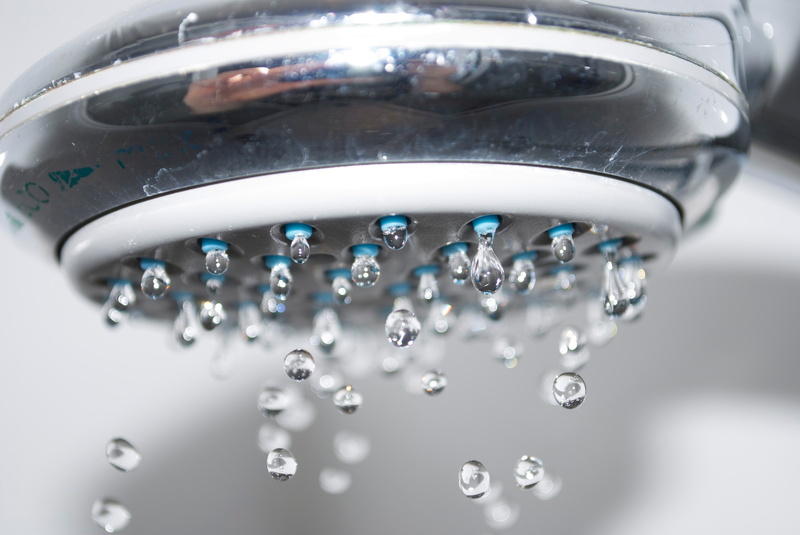
Water is the source of life. And hot water sure seems like a close second, doesn’t it? We know that it’s hard to imagine getting through a typical day if there wasn’t hot water flowing from taps and showerheads when we needed it. If you notice rusty water from your faucets, this signals a serious water heater problem.
You’ve enjoyed a steady supply of hot water from your water heater. But now, something is wrong. Issues such as incoming cold water during showers, inconsistent water pressure, or not reaching your preferred temperature can all indicate a water heater maintenance issue. Lukewarm or cold water from your taps shows your water heater struggles to do its job. The water is running out earlier, and that’s making mornings in your household into a stampede to get to the showers first. What’s wrong, and do you need water heater repair in Lake Worth, FL, or possibly even a new water heater? Water pooling around the base of the heater points to leaks that need quick fixes.
We’re here to answer your questions about why you’ve got a water heater that isn’t holding up its half of the bargain. If you’ve just lit a gas water heater for the first time, you may hear dripping sounds caused by condensation—this is normal and temporary until the unit reaches its normal operating temperature.
Introduction to Water Heaters
Water heaters are the unsung heroes of modern homes, delivering hot water for showers, dishwashing, laundry, and more. Whether you rely on traditional tank water heaters, energy-saving tankless water heaters, or innovative heat pump models, these appliances play a vital role in everyday comfort and convenience. To ensure your water heater works at peak performance, regular heater maintenance is essential. Proper care not only guarantees a steady supply of hot water tap but also helps prevent unexpected breakdowns and costly repairs. In this guide, you’ll find expert tips and schedules designed to help you get the most out of your water heater, no matter the type. While DIY maintenance can save homeowners money compared to hiring professionals, it does require some plumbing knowledge and basic skills.
Proper maintenance of a tankless water heater ensures a longer lifespan and efficient operation. Regular maintenance also improves your water heater’s energy efficiency and extends your water heater’s lifespan.
What water heater maintenance should you do to avoid running out of hot water?
- Flush sediment from the tank regularly to maintain efficiency and prevent reduced hot water supply
- Inspect and test the temperature and pressure relief valve for safe operation
- Check and replace the anode rod as needed to prevent tank corrosion
- Verify the thermostat and heating elements are functioning properly
- Make sure the unit is correctly sized for your household’s needs
- Schedule professional maintenance if the system is aging or underperforming
Undersized water heater
If this is a new water heater you had installed recently, then one of the strong possibilities is that the water heater wasn’t sized correctly—both tank water heaters and tankless water heater systems require proper sizing to meet household hot water demands. It doesn’t hold enough hot water to meet your household needs or has the wrong flow rate, or is affected by insufficient or inconsistent water pressure. This is an unfortunate result of amateur work and a reason you should always look to licensed pros for professional water heater repair The only way to correct this problem is to have experts replace the water heater with an accurately sized one.
Sediment buildup
Sediment in the freshwater entering your water heater will start to build up on the bottom of the tank. This will make it harder for the heat exchanger beneath the tank to transfer heat from the gas jets and warm up the water because of its insulation properties. Sediment buildup in water heaters causes major performance issues, reduces the water heater’s energy efficiency, and leads to higher energy bills.
The best way to correct this is to have professionals flush the tank which is why routine water heater flushing is such an important part of ongoing maintenance. This process involves attaching a garden hose to the water heater drain valve, opening a hot water faucet to allow air in, and draining water into a drain pan to safely remove sediment from the water supply. Frequent flushing every 6 to 9 months is necessary in West Palm Beach due to hard water conditions. Flushing the tank not only helps maintain the water heater’s energy efficiency but also extends the water heater service life.
Regular preventative maintenance and proper water heater care, such as flushing the tank, can increase the water heater’s energy efficiency, improve energy efficiency, and extend the water heater’s service life. Flushing the water heater at least once a year is one of the most important maintenance tasks. Regular water heater maintenance will help prevent this issue in the future.
Aquastat issues
The aquastat is the thermostat for a water heater. In general, you should leave the aquastat at one setting and not tamper with it. However, the aquastat can malfunction and cause the water heater to produce lower temperature water. Please don’t push up the aquastat’s temperature to “fix” this, as it may create a scalding hazard. Have technicians examine the water heater to see what needs to be repaired.
Pressure relief valve problems
The pressure relief valve is a safety component that prevents excess pressure from building up inside the water heater tank. The p valve, also known as the pressure and temperature safety device, is responsible for releasing excess pressure through the relief valve discharge pipe. If you notice leaks or drips from the discharge pipe, it may indicate the need for a thermal expansion tank to manage pressure fluctuations. The water heater includes a safety device called the pressure relief valve, which should be tested regularly. If this valve becomes faulty, it may not function properly, potentially affecting performance and reducing hot water capacity.
Broken heating element
This is a problem that affects electric water heaters. If one of the two heating elements in the water heater’s tank burns out, it will severely restrict the volume of hot water it can heat up. You’ll need professionals to drain the tank and replace the broken heating element.
Water heater age
A decline in a water heater’s capacity is often one of the big warning signs that the unit is too old to keep. The average gas water heater can last for around 12 years. If you’ve got a water heater that’s already over 15 years old and it’s struggling to meet your hot water demands, it’s time to look into modern water heater replacement options.
Newer water heater models offer improved efficiency and features, making them a smart choice when replacing an old unit. Additionally, proper maintenance of a tankless water heater ensures a longer lifespan and optimal performance.
Water Heater Components and Functionality
Understanding the key components of your water heater is the first step toward effective heater maintenance. At the heart of the system is the water heater tank, which stores water and uses heating elements (or a burner in gas models) to heat water to your desired temperature. These components work together to ensure your water is heated efficiently. The thermostat plays a crucial role by maintaining the normal operating temperature, ensuring efficient and safe operation. The pressure relief valve, also known as the temperature and pressure relief valve, is a critical safety feature that releases excess pressure to prevent dangerous build-up. Located at the bottom of the tank, the tank drain valve at the base of the tank makes it easy to remove sediment and perform routine maintenance. Another essential part is the anode rod, which attracts corrosive elements and protects the tank from rust. By familiarizing yourself with these components and their functions, you’ll be better equipped to keep your water heater running safely and efficiently.
Safety Precautions
Before you start any water heater maintenance, it’s crucial to put safety first. Always turn off the power supply to your water heater before beginning any work. For an electric water heater, switch off the circuit breaker at your main electrical panel to prevent electrical shocks. If you have a gas water heater, turn the gas switch off, close the gas valve and make sure the pilot light is completely off. Protect yourself by wearing safety goggles and heat-resistant gloves, especially when working around hot water. Good ventilation is also important—open a window or door to let fresh air in, particularly if you’re working with gas. Give your water heater at least two hours to cool down after its last use to avoid burns from hot water or steam. If you’re ever unsure about handling gas, electricity, or any part of the maintenance process, don’t hesitate to call a professional. Your safety is always worth the extra step.
Understanding the Sacrificial Anode Rod
Inside your water heater tank is a small but mighty component called the sacrificial anode rod. This rod, usually made of magnesium or aluminum, is designed to attract corrosive elements in your water, protecting the steel tank from rust and corrosion. This protection occurs through a process called galvanic corrosion, which prevents the tank from corroding by attracting corrosive elements away from the metal surface. Over time, the anode rod slowly dissolves—a process called “sacrificing”—so your water heater tank stays intact. To keep your water heater in top shape, check the anode rod every 3-5 years. If you notice more than six inches of the core wire is exposed, it’s time for a replacement. Regular inspection and proper preventative maintenance of the sacrificial anode rod can significantly extend the life of your water heater and help you avoid expensive repairs down the road.
Electric Water Heater Specifics
Electric water heaters are a popular choice for their energy efficiency and straightforward operation. These units typically feature one or two heating elements, a thermostat temperature dial to regulate water heat levels, and a temperature and pressure relief valve for safety. To maintain optimal energy efficiency and performance, it’s important to regularly check the heating elements for signs of wear, ensure the thermostat is functioning correctly, and test the relief valve to confirm it’s operating as intended. Inspecting electrical connections is also crucial—look for any loose wires or signs of damage, and make sure the unit is properly grounded to prevent electrical hazards. With regular attention to these details, your electric water heater will deliver reliable hot water while keeping energy costs in check.
Inspecting and Maintaining the Water Heater
Regular inspection and maintenance are the backbone of a reliable, long-lasting water heater. Start by visually examining the water heater tank for any signs of leaks, rust, or corrosion—these can be early warnings of bigger issues down the line. Next, test the pressure relief valve by gently lifting its lever; you should hear a rush of water or see water exit through the relief valve discharge pipe. If the valve doesn’t operate smoothly or leaks persistently, it may need replacement to ensure your water heater remains a safe and effective appliance.
Don’t forget to check the drain valve at the base of the tank. Make sure it isn’t clogged and can be easily opened for routine flushing, which helps remove sediment and maintain energy efficiency. For gas water heaters, verify that the gas valve is securely closed when performing maintenance, and for electric water heaters, always double-check that the circuit breaker is switched off before you begin any work.
Inspect the cold water inlet and hot water outlet for any signs of mineral buildup or blockages, as these can restrict water flow and reduce hot water availability. Take a look at the anode rod—if it’s significantly worn, replacing it will help protect your tank from corrosion. Finally, examine the heating element for any signs of wear or damage, as a faulty element can impact both performance and energy efficiency.
By making these inspections part of your regular water heater maintenance routine, you’ll catch small problems before they become major headaches, keep your hot water flowing, and ensure your system runs at peak energy efficiency.
Temperature and Pressure Relief
The temperature and pressure relief valve is one of the most important safety devices on your water heater. Its job is to automatically release excess pressure and temperature from inside the water heater tank, protecting your home from the risk of dangerous ruptures or even explosions. Regular water heater maintenance should always include checking this valve to ensure your water heater works safely and reliably.
To test the pressure relief valve, first locate it—typically found on the top or side of the water heater. Place a bucket or direct the relief valve discharge pipe toward a floor drain to catch water safely. Gently lift the test lever on the valve; you should hear a rush of hot water or see water flow out through the discharge pipe. This indicates the valve is working as intended. If you don’t hear water or notice the valve is stuck, or if it continues to drip after testing, it’s time to replace the valve to maintain proper temperature and pressure relief.
It’s also essential to inspect the relief valve discharge pipe regularly. Make sure it’s free of obstructions and directed toward a safe drainage area, such as a floor drain, to prevent water damage in case the valve activates. A blocked or kinked discharge pipe can prevent the safety device from working correctly, so keep it clear at all times.
In addition to the relief valve, pay attention to the drain valve at the bottom of your water heater tank. This valve allows you to flush out sediment and debris that can accumulate over time, which helps maintain the efficiency of your water heater. To perform this maintenance, attach a garden hose to the drain valve, run the hose’s draining end to a suitable drain or outside, and open the valve to let water and sediment flow out. This simple step can help extend the lifespan of your water heater and ensure a steady supply of hot water.
For best results, test the temperature and pressure relief valve at least once a year and drain a few gallons from the tank every 6 to 12 months, depending on your water quality and usage. These preventative maintenance steps are key to keeping your water heater in top condition and safeguarding your home.
Always follow safety precautions when working with your water heater, and if you’re ever unsure about testing or replacing a pressure relief valve or drain valve, don’t hesitate to call a professional. Proper care of these components is essential for safe, efficient water heater operation.
DIY vs. Professional Maintenance
Some water heater maintenance tasks are perfect for the handy homeowner, while others are best left to the pros. You can safely handle basic jobs like flushing the tank with a garden hose to remove sediment buildup, checking the pressure relief valve for proper operation, and inspecting the anode rod for wear. These simple water heater maintenance tasks help keep your system running smoothly. However, if you need to replace a heating element, repair faulty electrical connections, or address issues with the temperature and pressure relief valve, it’s wise to call a professional. Complex repairs require specialized tools and expertise to ensure your water heater functions safely and efficiently. Working with copper pipes, for example, requires soldering and is more challenging for DIYers compared to using compression fittings.
When in doubt, professional maintenance can catch small problems before they become big headaches, saving you time and money in the long run. Faulty water supply connections are a common cause of leaks and drips, particularly around the cold water inlet, so using quality materials and proper installation techniques is important. Regular inspection of the water heater’s body, pipes, connections, and the cold water inlet is necessary to identify leaks or corrosion. Annual professional maintenance is recommended for water heaters in South Florida to check for leaks and rust.
Best Practices for Extending Lifespan
Want your water heater to last as long as possible? Start by setting the thermostat temperature to 120°F—this reduces strain on the system and helps lower your energy bills. Every month, drain a few gallons of water from the tank to flush out sediment buildup and keep performance high. Sediment accumulation can directly reduce a water heater’s energy efficiency and overall operational effectiveness. If you have hard water, consider installing a water softener to protect your water heater from mineral damage. Regularly check all pipe connections for leaks, and test the pressure relief valve monthly to make sure it’s working correctly. Regular inspections for leaks and rust are especially important in high humidity areas like West Palm Beach, FL. Don’t forget to replace the anode rod every 3-5 years to prevent tank corrosion.
Finally, insulate your water heater and the connected pipes to minimize heat loss and boost energy efficiency. Proper insulation helps reduce heat loss, leading to improved energy efficiency and lower energy bills. Insulating pipes and the unit can also reduce freezing risks in colder climates.
Following these best practices will help your water heater run efficiently and extend its lifespan. These steps help increase energy efficiency and extend your water heater’s lifespan. Checking and maintaining the inlet filter regularly is important to prevent debris buildup and ensure efficient operation. Understanding how your water heater heats water—whether through internal elements or heat exchangers—can help you optimize maintenance for better performance and energy efficiency.
Cost Overview of Maintenance
The cost of heater maintenance can vary depending on the type of water heater you own and how often you service it. For most tank water heaters, annual maintenance—including flushing the tank, inspecting the anode rod, and checking the pressure relief valve—typically ranges from $300 to $500 per year. Tankless water heaters, which require descaling and filter cleaning, generally cost between $200 and $400 annually to maintain. These expenses cover replacement parts, labor, and any additional services needed to keep your system running smoothly. Investing in regular water heater maintenance not only helps you avoid expensive emergency repairs but also extends the lifespan of your appliance, making it a smart choice for any homeowner.
Recommended Maintenance Schedule
Sticking to a regular maintenance schedule is the best way to ensure your water heater functions safely and efficiently year-round. Each month, test the pressure relief valve to make sure it’s functioning properly, inspect the anode rod for signs of corrosion, and drain a few gallons of water from the tank to minimize mineral deposits. Every six months, flush the tank completely, check the heating elements, and inspect all electrical connections for wear or damage. Annually, take time to examine the thermostat, test the drain valve for smooth operation, and perform a comprehensive inspection of the entire water heater system. By following this routine, you’ll help prevent common issues like leaks, corrosion, and faulty components, ensuring your water heater delivers reliable hot water and maintains its energy efficiency for years to come.
Common Mistakes to Avoid
When it comes to heater maintenance, a few common mistakes can lead to big problems. Never start maintenance without turning off the power supply—skipping this step can result in dangerous shocks or injuries. Many homeowners forget to inspect the anode rod regularly, which can cause corrosion and shorten the life of the water heater. Failing to test the pressure relief valve can allow dangerous pressure to build up, increasing the risk of leaks or even explosions. Not insulating your water heater and pipes leads to unnecessary heat loss and reduced energy efficiency. Lastly, always follow the manufacturer’s instructions for maintenance and repairs—ignoring these guidelines can void your warranty and result in costly fixes. By steering clear of these mistakes, you’ll help ensure your water heater operates safely, efficiently, and reliably for years to come.
When to Replace Your Water Heater
Even with the best maintenance, every water heater eventually reaches the end of its useful life. Knowing when to replace your water heater can help you avoid sudden loss of hot water and prevent costly emergency repairs. If your tank water heater is approaching 10-15 years old, or your tankless water heater is nearing 20 years, it’s wise to start planning for a replacement. Watch for warning signs like persistent leaks, visible rust or corrosion on the tank, or a drop in hot water output—these often signal that the unit is no longer operating efficiently.
Other red flags include a faulty heating element, frequent repairs, or a noticeable spike in your energy bills, all of which can indicate that your water heater is working harder than it should. Upgrading to a newer, more energy-efficient model can save you money in the long run and provide more reliable hot water for your household.
When it’s time to replace your water heater, consider your home’s hot water needs, the type of system (tank or tankless), and the energy efficiency ratings of available models. Professional installation is essential—not only for safety and compliance with local codes, but also to ensure your new water heater operates at its best from day one. Don’t forget to arrange for proper disposal of your old unit to keep your home and the environment safe. With the right planning and professional support, you’ll enjoy dependable hot water and improved energy efficiency for years to come.
For Red Carpet Service Every Time, Contact General Plumbing and Air Conditioning in Lake Worth, FL.